CNC Machining Techniques for AS9100 Compliance
Understanding AS9100 and Its Importance in CNC Machining
Overview of AS9100 Standards
AS9100 represents a set of quality management standards specifically crafted for the aerospace industry. It builds upon the foundation laid by ISO 9001, emphasizing safety, reliability, and quality in aerospace manufacturing processes. AS9100 encompasses various aspects such as design, development, production, and installation, ensuring that manufacturers adhere to rigorous standards throughout the supply chain. By integrating AS9100 standards, companies demonstrate their commitment to quality and accountability, which is paramount in an industry where precision is non-negotiable. Achieving AS9100 certification not only enhances a manufacturer's credibility but also opens doors to new business opportunities within the aerospace sector.
Key Differences Between AS9100 and ISO 9001
While both AS9100 and ISO 9001 focus on quality management systems, significant differences exist between the two. AS9100 incorporates all the principles of ISO 9001 but adds aerospace-specific requirements. For example, AS9100 emphasizes risk management more heavily, requiring manufacturers to proactively identify and mitigate potential risks in their processes. Additionally, AS9100 mandates rigorous documentation practices and traceability for all components, particularly those used in critical applications like turbines and satellites. This focus on traceability ensures that manufacturers can track every element back to its origin, a vital requirement in the aerospace industry where safety is paramount.
The Role of AS9100 in Aerospace Manufacturing
AS9100 plays a pivotal role in the aerospace manufacturing landscape. It not AS9100 machined only sets the benchmark for quality and safety but also drives continuous improvement within organizations. Aerospace manufacturers that adhere to AS9100 benefit from streamlined operations, reduced waste, and enhanced customer satisfaction. This certification helps companies build trust with clients, including military and commercial entities, as it assures them of the manufacturer’s commitment to quality. Furthermore, the AS9100 framework fosters collaboration among suppliers, manufacturers, and customers, creating a robust ecosystem that supports AS9100 machined innovation and excellence in aerospace engineering and machining.
CNC Machining Techniques for Compliance
Advanced CNC Technologies in Aerospace
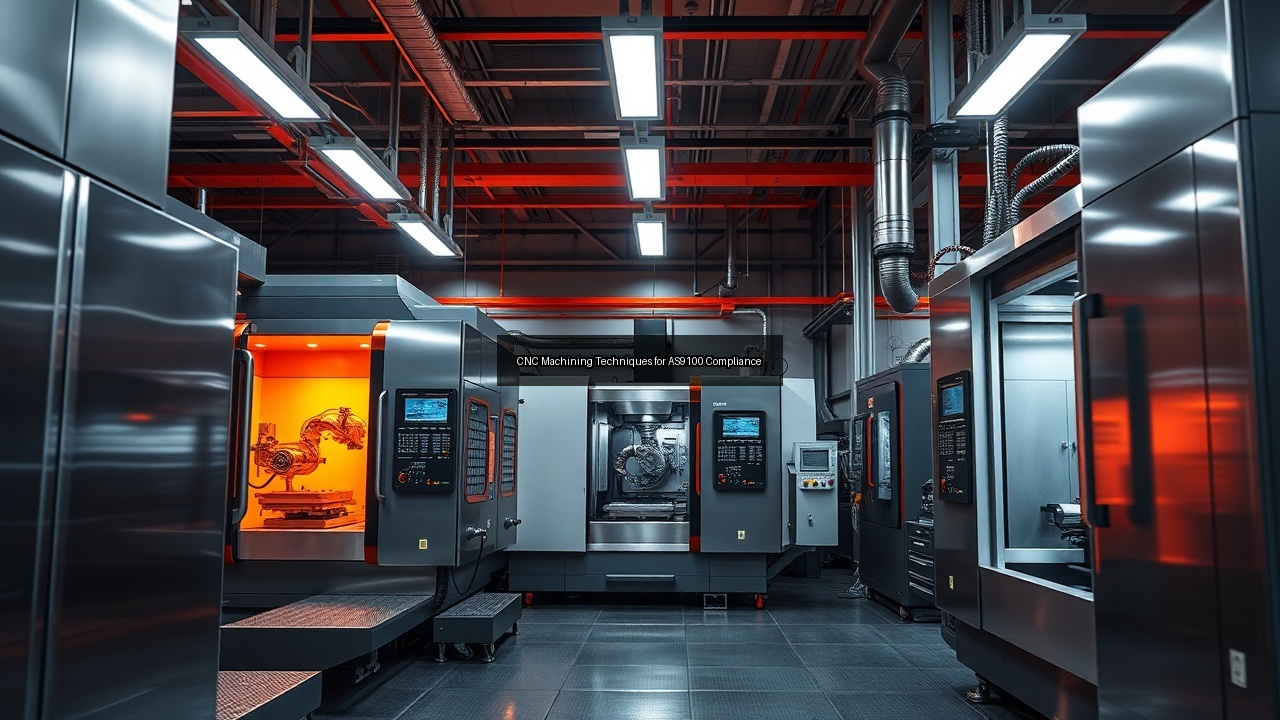
Advanced CNC technologies have revolutionized aerospace manufacturing, enabling precision machining of complex components. Techniques such as 5-axis machining allow for intricate designs and geometries that traditional machining methods struggle to achieve. These innovations not only enhance production efficiency but also improve accuracy, a critical factor in aerospace applications. Manufacturers leverage high-speed machining, multi-tasking machines, and automated setups to optimize productivity and maintain stringent AS9100 compliance. The integration of CAD/CAM software further streamlines the design and manufacturing process, ensuring that components meet exact specifications while adhering to quality standards mandated by AS9100.
Machining Materials: Titanium, Aluminum Alloys, and Steel
The choice of materials in aerospace machining significantly impacts performance and compliance. Titanium, known for its high strength-to-weight ratio, is a preferred material in aerospace applications, particularly in turbine manufacturing. Aluminum alloys, lightweight yet robust, are extensively used for structural components, balancing strength and weight efficiently. Steel, including stainless steel, remains a staple for applications requiring durability and resistance to corrosion. Each material poses unique challenges in machining, necessitating specialized techniques and tools. AS9100 compliance ensures that manufacturers apply the right processes to consistently achieve the desired quality for these critical materials, enhancing overall reliability in aerospace manufacturing.
Quality Control and Assurance in CNC Machining
Quality control and assurance are integral to CNC machining processes, especially under the AS9100 framework. Companies must establish stringent quality control protocols to monitor every stage of production, from raw materials to finished products. Techniques such as Statistical Process Control (SPC) and regular audits help maintain compliance and identify areas for improvement. The implementation of real-time monitoring systems allows manufacturers to detect deviations immediately, ensuring that corrective actions are taken promptly. By fostering a culture of quality assurance, manufacturers can reduce defects, minimize waste, and ultimately deliver products that meet or exceed customer expectations in the aerospace sector.
Implementing AS9100 in CNC Machine Shops
Leadership and Management in AS9100 Compliance
Effective leadership and management are critical to successfully implementing AS9100 in CNC machine shops. Senior management must champion quality initiatives, demonstrating their commitment to AS9100 standards and fostering a culture of continuous improvement. This involves engaging employees at all levels in the quality management process, providing adequate training, and promoting accountability. Managers should establish clear objectives aligned with AS9100 requirements and ensure that resources are allocated effectively to meet these goals. By cultivating strong leadership, machine shops can enhance operational efficiency and maintain compliance with AS9100 certification, ultimately leading to improved performance and customer satisfaction.
Evaluating Supply Chain for AS9100 Certification
A robust supply chain evaluation process is essential for AS9100 compliance. Manufacturers must assess their suppliers to ensure that they meet the same stringent standards required for AS9100 certification. This evaluation includes reviewing supplier capabilities, quality assurance practices, and adherence to regulatory requirements. Establishing strong partnerships with reliable suppliers fosters a more resilient supply chain, which is crucial in the aerospace industry where precision and reliability are paramount. Implementing a supplier management system allows manufacturers to continuously monitor supplier performance, ensuring that all components meet the quality standards necessary for compliance with AS9100.
Best Practices for Quality Management in Aerospace Manufacturing
Implementing best practices for quality management is vital for manufacturers aiming for AS9100 compliance. These practices include establishing standardized operating procedures, conducting regular training sessions, and implementing a robust documentation system to track quality metrics. Companies should leverage tools such as Failure Mode and Effects Analysis (FMEA) to proactively identify potential issues and develop corrective actions. Regular internal audits and management reviews play a crucial role in maintaining compliance and driving continuous improvement. By embedding these best practices into the organizational culture, aerospace manufacturers can enhance their quality management systems and meet the rigorous demands of AS9100 certification.
Future Trends in AS9100 Machining
Innovation in CNC Technologies
Innovation in CNC technologies continues to shape the future of aerospace manufacturing. Emerging technologies such as additive manufacturing and hybrid machining processes are gaining traction, providing new avenues for creating complex geometries and lightweight structures. These advancements enable manufacturers to produce components more efficiently while adhering to AS9100 standards. The integration of artificial intelligence and machine learning into CNC systems enhances predictive maintenance, reducing downtime and improving overall productivity. As these technologies evolve, they will further elevate the capabilities of CNC machining, ensuring that the aerospace industry remains at the forefront of innovation and quality.
The Impact of ITAR Regulations on Aerospace Manufacturing
International Traffic in Arms Regulations (ITAR) significantly influence aerospace manufacturing, particularly for companies involved in military applications. Compliance with ITAR requires manufacturers to adhere to strict guidelines regarding the handling and export of defense-related materials and technologies. This regulatory framework ensures that sensitive information and technologies are safeguarded, impacting supply chain management and operational procedures. As aerospace manufacturers navigate ITAR compliance alongside AS9100 requirements, they must implement robust security measures and documentation practices to maintain certification and protect sensitive data.
Emerging Materials and Techniques for Aerospace Applications
The aerospace industry is witnessing a shift towards innovative materials and machining techniques that enhance performance and efficiency. Developments in composite materials, such as carbon fiber and advanced polymers, offer significant weight savings while maintaining strength. Techniques like precision laser cutting and waterjet machining are gaining popularity for their ability to produce complex designs with minimal material waste. These advancements align with AS9100 standards, as they promote sustainability and reduce the environmental impact of aerospace manufacturing. As manufacturers explore these emerging materials and techniques, they position themselves for future success in a competitive landscape.