Key Considerations for Sourcing Stainless Steel in Manufacturing
Understanding Stainless Steel and Its Applications
Overview of Stainless Steel Alloys
Stainless steel stands out as a versatile material, composed primarily of iron, chromium, and varying amounts of alloying elements. These components enhance its resistance to corrosion and oxidation, making stainless steel a prime choice for numerous applications. Various stainless steel alloys, such as austenitic, ferritic, and martensitic types, each come with unique properties tailored to specific needs. For example, austenitic stainless steels, known for their excellent formability and weldability, find extensive use in kitchen equipment, while ferritic alloys, with their magnetic properties, often serve in automotive applications. Understanding these alloy distinctions is crucial for manufacturers looking to optimize their product offerings and ensure durability in their designs.
Role in Oil and Gas Industry
The oil and gas industry heavily relies on stainless steel due to its exceptional resistance to harsh environmental conditions. From drilling rigs to refining processes, these alloys withstand the corrosive effects of saltwater and various chemicals. Stainless steel's high strength-to-weight ratio also contributes to the efficiency of pipelines and offshore platforms. Companies in this sector prioritize sourcing high-quality stainless steel to ensure safety and longevity, as any failure in materials could lead to catastrophic consequences. The ability to perform under extreme pressure and temperature conditions makes stainless steel an indispensable resource in oil and gas operations.
Importance in Automotive and Aerospace Sectors
Stainless steel plays a pivotal role in both the automotive and aerospace industries, where safety and performance take precedence. In automotive manufacturing, components such as exhaust systems and structural parts benefit from stainless steel’s strength and corrosion resistance, enhancing vehicle longevity and performance. The aerospace sector similarly demands high-performance materials; stainless steel alloys are favored for their ability to withstand extreme temperatures and pressures during flight. Manufacturers in these sectors often seek out reliable steel distributors who can provide the appropriate grades of stainless steel, ensuring their products meet stringent safety standards and regulatory requirements.
Key Factors in Sourcing Stainless Steel
Selecting the Right Steel Distributor
Choosing the right steel distributor is a critical step in sourcing stainless steel effectively. A reputable distributor offers not only a diverse range of stainless steel products but also expertise in the specific alloys required for different applications. Look for companies that demonstrate a strong track record and customer testimonials focused on reliability. Engaging with a distributor who understands the nuances of stainless steel can facilitate a smoother supply chain process. Additionally, consider the distributor's location; proximity can reduce lead times and logistics costs, particularly for projects requiring rapid delivery of materials. A knowledgeable distributor can also provide insights into market trends, helping manufacturers make informed procurement decisions.
Evaluating Quality: Gauge and Type of Steel
Quality assurance in stainless steel sourcing hinges on evaluating both the gauge and type of steel. The gauge indicates the thickness of the stainless steel sheet or coil; thinner gauges may be more malleable but less robust, while thicker gauges provide enhanced durability. Understanding the application is vital when selecting the appropriate gauge. Additionally, the type of stainless steel—whether austenitic, ferritic, or martensitic—directly impacts the material's performance characteristics. Manufacturers must evaluate the specifications against their project requirements to ensure compatibility. Collaborating with experts in the field can help clarify these distinctions, leading to better product quality and performance in the final applications.
The Importance of Certifications and Standards
Certifications and industry standards play a crucial role in the sourcing of stainless steel. Compliance with recognized standards, such as ASTM International or ISO certifications, guarantees that the materials meet specific performance criteria. Manufacturers should prioritize working with steel distributors who can provide the necessary documentation and traceability for the stainless steel they supply. These certifications assure that the stainless steel has undergone rigorous testing for quality and performance, reducing the risk of failure in critical applications. By ensuring compliance with industry standards, manufacturers can maintain their reputation for quality and reliability in their products, whether in construction, automotive, or aerospace projects.
Methods of Processing Stainless Steel
Waterjet Cutting: Precision and Efficiency
Waterjet cutting has emerged as a preferred method for processing stainless steel due to its precision and ability to handle complex designs. This technique utilizes high-pressure water, often mixed with abrasives, to slice through stainless steel sheets and plates without generating heat, which can alter the material’s properties. The lack of thermal distortion ensures that the integrity of the stainless steel remains intact, making it ideal for applications requiring tight tolerances. Fabricators appreciate the versatility of waterjet cutting, as it can cut various thicknesses and shapes, accommodating custom designs without the need for costly tooling changes. This method enhances efficiency, reduces waste, and ultimately contributes to lower production costs.
Cold Rolled vs. Hot Rolled Steel
The choice between cold rolled and hot rolled stainless steel significantly influences the final product's characteristics. Cold rolled steel, processed at room temperature, exhibits superior surface finish and dimensional accuracy. It is often used in applications where aesthetics and precision matter, such as in automotive interiors or decorative elements. Conversely, hot rolled steel, produced at elevated temperatures, is more malleable and easier to work with during initial fabrication processes. However, it may require additional finishing to achieve desired surface qualities. Manufacturers must consider their specific application requirements when determining which method best suits their needs, ensuring they source the right type of stainless steel for optimal performance.
Understanding Steel Coils and Bar Stock
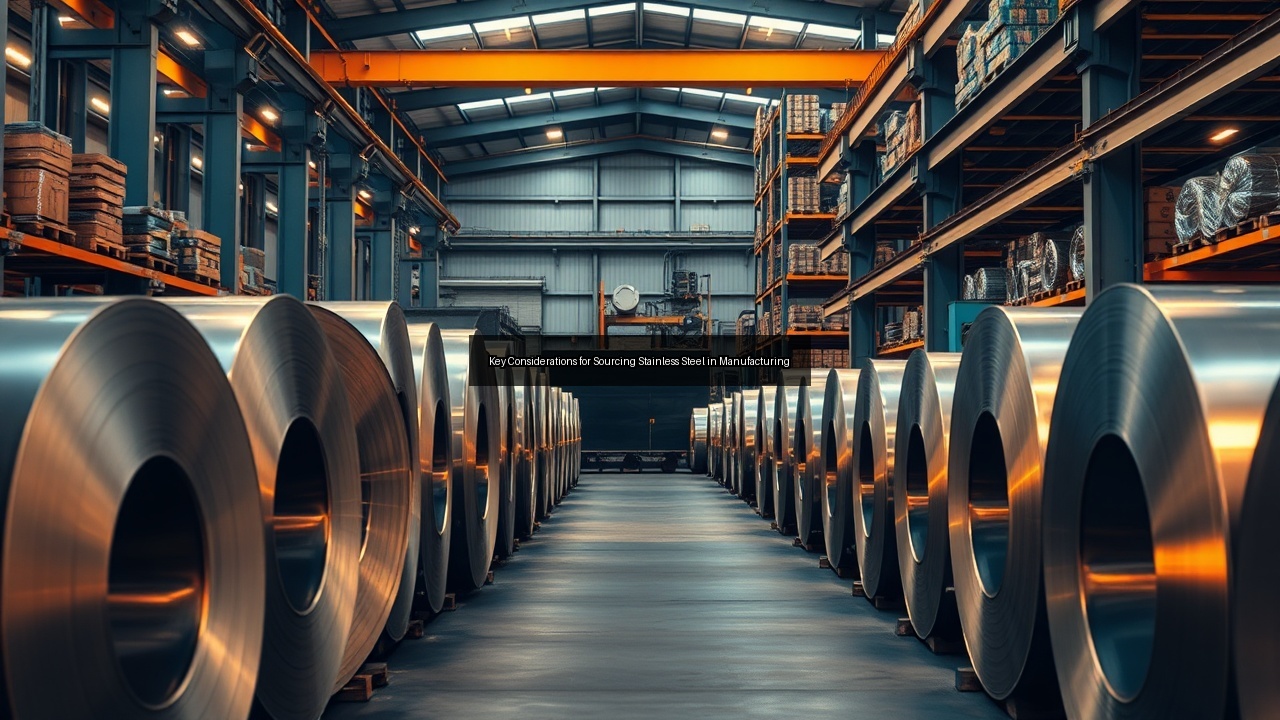
Steel coils and bar stock represent two common forms of stainless steel used across various sectors. Steel coils, which are large rolls of stainless steel sheets, provide flexibility in manufacturing processes, allowing for quick and efficient handling. They are ideal for applications where large quantities of material are required, such as automotive assembly lines or construction projects. On the other hand, bar stock refers to solid, long lengths of stainless steel that can be cut to size for specific applications. Fabricators often use bar stock for components that require strength and durability. Understanding the advantages and applications of each form helps manufacturers make informed decisions when sourcing stainless steel.
Navigating the Steel Supply Chain
Regional Insights: California and Beyond
California serves as a significant hub for stainless steel distribution, boasting a robust network of suppliers and manufacturers. The state's diverse industries, including technology, aerospace, and construction, create a high demand for quality stainless steel products. Manufacturers in California benefit from a competitive landscape, enabling them to source materials from various steel distributors. Understanding regional dynamics can enhance sourcing strategies, helping manufacturers connect with suppliers that meet their specific needs. As demand shifts, staying informed about local market trends and supplier capabilities can provide a competitive edge in an increasingly globalized steel supply chain.
Choosing Between Galvanized Steel and Stainless Steel
Manufacturers often face the decision of choosing between galvanized steel and stainless steel based on project requirements. Galvanized steel, coated with zinc to prevent corrosion, is a cost-effective option for applications where exposure to moisture is limited. However, stainless steel offers superior durability and corrosion resistance, making it better suited for demanding environments, such as those in the oil and gas industry. Understanding the specific environmental conditions and steel distribution companies performance requirements of a project helps manufacturers select the appropriate material. Engaging with knowledgeable steel suppliers can also facilitate informed decision-making, ensuring the chosen material aligns with both budget and performance expectations.
Identifying Reliable Steel Supply Companies
Finding reliable steel supply companies requires thorough research and assessment. Start by evaluating the company’s reputation in the industry, considering factors such as customer reviews and testimonials. A trustworthy supplier should offer a wide range of stainless steel products and demonstrate expertise in the specific alloys and grades needed for your projects. Look for certifications that guarantee quality and compliance with industry standards. Additionally, consider the supplier's ability to provide logistical support, including timely delivery and inventory management. Building a strong relationship with a reputable steel distributor enhances the efficiency of the supply chain and contributes to the overall success of manufacturing operations.
See Also
- Alloy Steel A Critical Component for High-Performance Projects
- Choosing the Right Gauge for Your Steel Distribution Needs
- How to Select the Best Steel Distributor for Your Business
- Waterjet Cutting Techniques Revolutionizing Steel Fabrication
- Understanding Steel Coils and Their Importance in Distribution